
How Cameras See What Matters.

Pushing the boundaries of computer vision on a drilling rig.
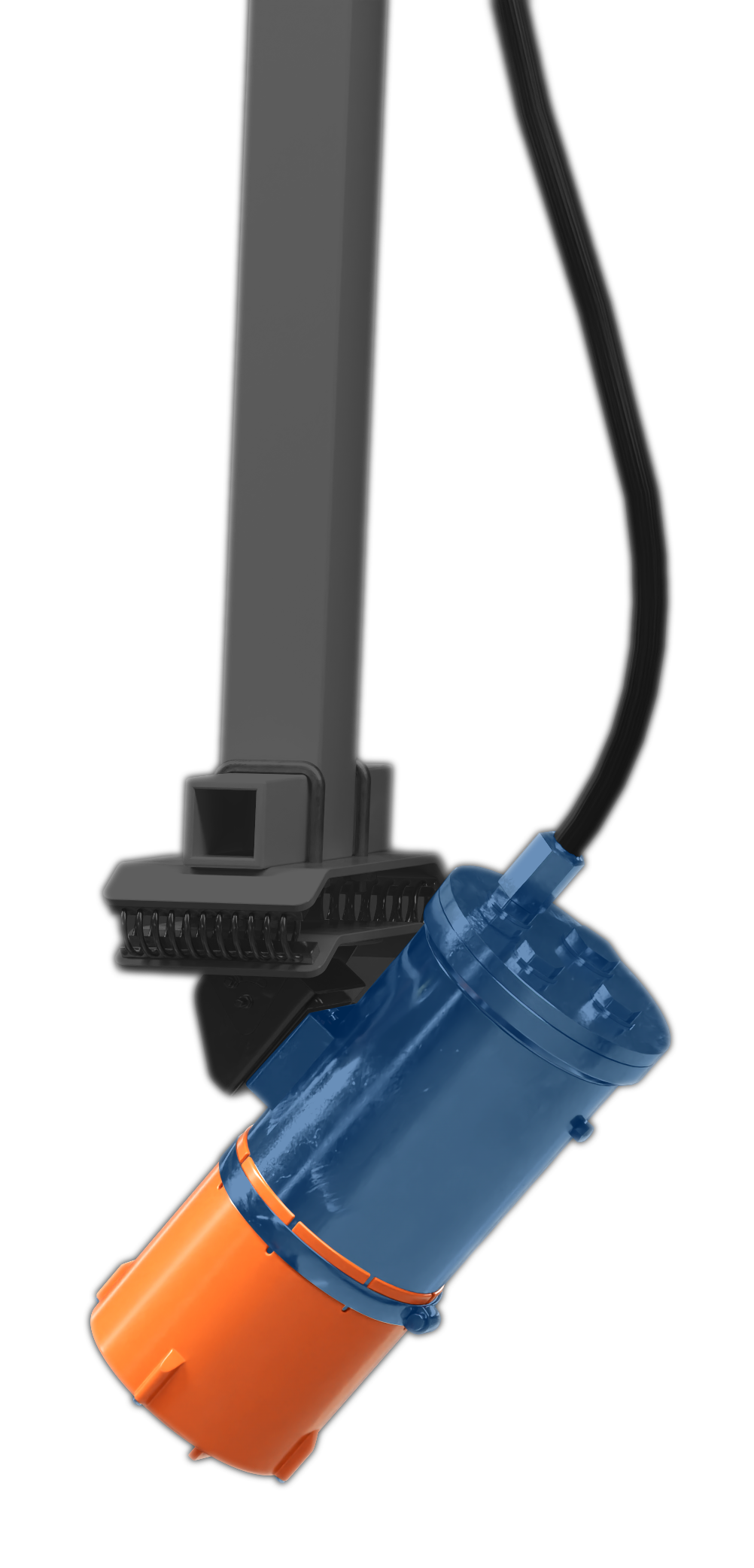
Using cameras to understand what’s happening at the shale shakers requires a cutting-edge combination of sensor technology, image analysis, and machine learning.

Camera

(one per shaker)
Capture high-resolution video of the region of interest, where cuttings fall off the shaker table in a predictable way.

Pre-processor

(in the camera)
Edge computing onboard the camera compresses the video feed, extracts usable images, uses machine learning to identify and characterize objects, and generates initial measurements.

Data routed via fiber optic cable to the server.

Server

(on the rig)
Rig site server generates cuttings inventory in near-real time (CRTI = cuttings real-time inventory), from which shaker load estimate (SLE), cuttings return rate (CRR), cuttings size distribution (CSD) are derived and fed into the rig data system via MQTT or WITSML protocols.

Store &
transmit data

(rig to shore)
Store up to 1 month of video data offshore.

Output data archived in rig data store. Transmit processed data and alerts (and optionally, compressed video feed) via internet (over secure satellite link) to client onshore center and DrillDocs remote monitoring team (for system monitoring and alert verification)

Live video feed

Increase situational awareness on the rig without crew having to enter the hazardous shaker room

Trend analysis while drilling

During drilling, monitor cuttings recovery to determine hole cleaning performance & alert to deviations potentially requiring changes in drilling parameters (ROP, WOB, pump rate, mud properties, etc.)

This will be a critical data stream for future automated and autonomous drilling systems.

Real-time alerts

During drilling, monitor cuttings recovery to determine hole cleaning performance & alert to deviations potentially requiring changes in drilling parameters (ROP, WOB, pump rate, mud properties, etc.)

This will be a critical data stream for future automated and autonomous drilling systems.

Hole cleaning before tripping

(OK2Trip®)
While circulating before tripping, monitor cuttings recovery to determine when the hole is sufficiently clean, often saving time compared to traditional volume-based thresholds (multiple of bottoms-up volume)

Ready to add CleanSight to your drilling tech roadmap?